 {# Overlay logo in the middle of the banner, no layout shift #}


Atlanta United midfielder returns to Europe ahead of the World Cup cycle
Bartosz Slisz signs for Brøndby IF


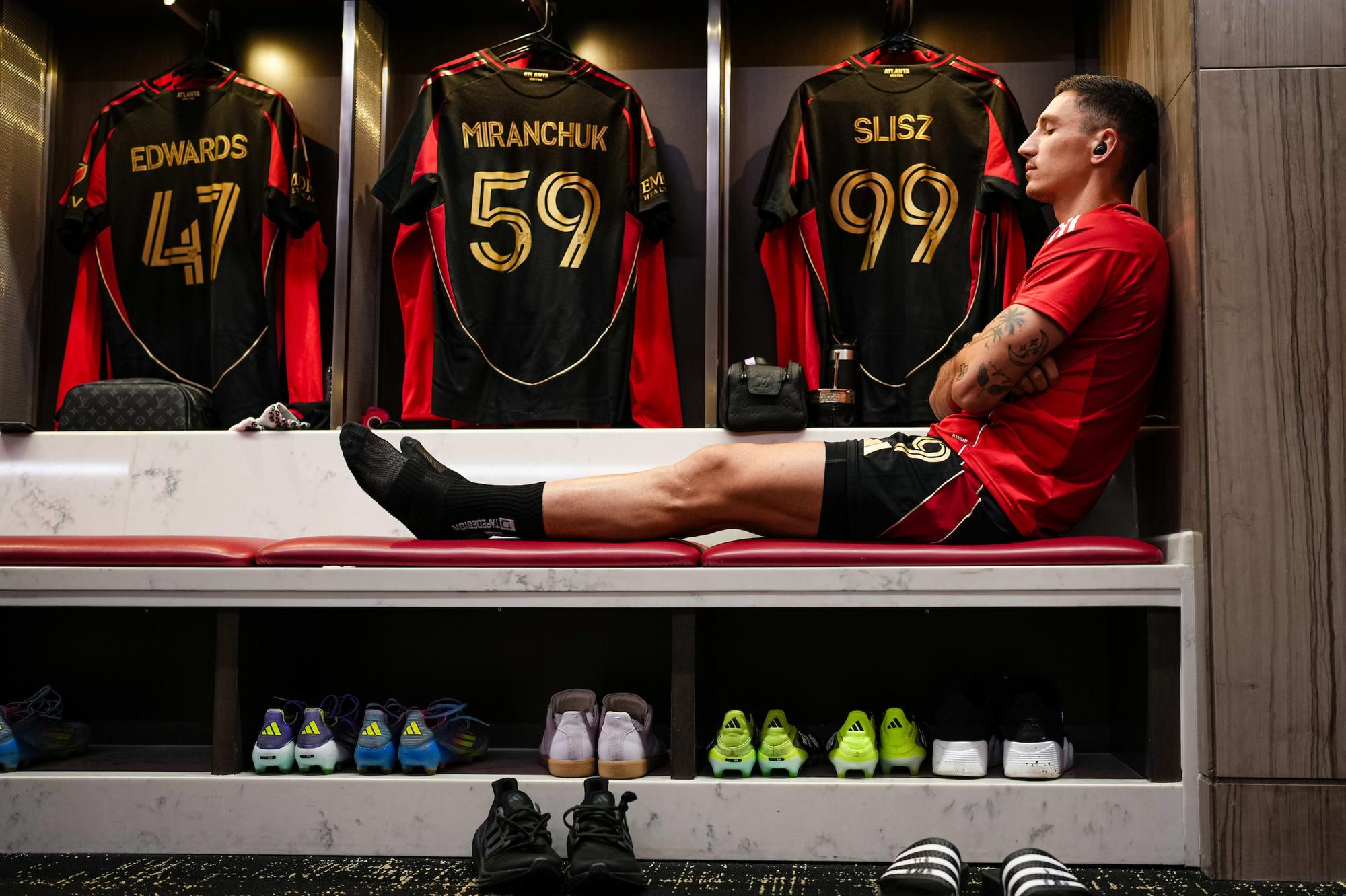
Wednesday July 16, 2025 ( Photo by ATLUTD )
After two seasons in Atlanta, Bartosz Slisz is set to return to Europe, with a move to Brøndby IF.
The move reshapes the landscape on both sides of the Atlantic. Slisz returns to a European league in a World Cup year, entering a competitive calendar that begins weeks earlier than MLS and unfolds closer to Poland. Atlanta, meanwhile, turns one of its more reliable contributors into roster and salary relief during a period of transition.
Brøndby, the Club
In the western suburbs of Copenhagen, within the district of Brøndbyvester, sits Brøndby Stadion, a 28,000-seat ground that anchors one of Denmark’s most demanding football environments.
Founded in 1964, Brøndby IF occupies a specific place in Danish football. Its home matches draw some of the largest and most organized supporter groups in the country, and expectations extend beyond results alone. In addition to their game stats, players are evaluated on how they respond to pressure, scrutiny, and responsibility.
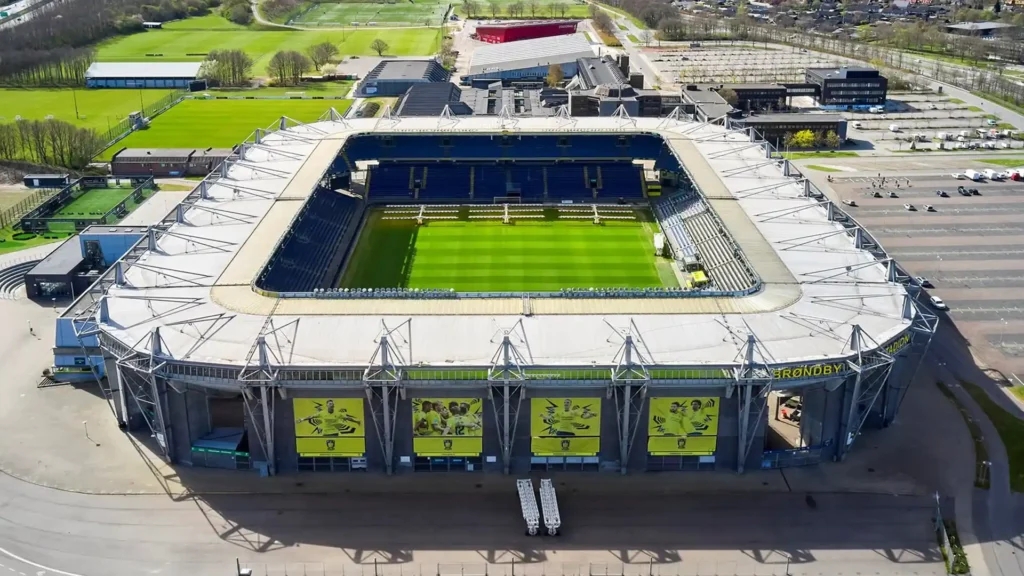
Brøndby is one of Denmark’s traditional powers, with multiple league titles, deep European runs in the club’s history, and a supporter base that expects relevance every season. Home matches are loud, confrontational, and emotionally charged. Players are not eased in. They are measured immediately.
Sporting ambition at Brøndby tends to follow a clear pattern: compete domestically, qualify for Europe, and develop or rehabilitate players capable of handling responsibility. Midfielders in particular are expected to organize, absorb pressure, and play with authority rather than flair.
For Bartosz Slisz, this is not a rebuilding environment or a soft landing. It is a club that values reliability, discipline, and mental resilience - and one that will ask him to assert himself from the start.
Life beyond the club
The move takes Slisz from a car-dependent daily routine in metro Atlanta to a much smaller capital where training, housing, and matchday preparation exist close together. In Denmark, daily routines change in practical ways. Commutes are shorter. Players live closer together. Training days are structured around predictable travel windows, and seasonal light — long summer evenings, short winter days — shapes schedules in ways Atlanta never did.
Brøndby itself is a working-class suburb west of the city, quiet and residential, built for daily life rather than visibility. The stadium anchors the area, but most players live elsewhere, commuting in for training while spending their off-hours in Copenhagen. For Slisz, daily life will likely feel calmer than Atlanta: fewer distractions, colder weather, and a pace that encourages routine.
That calm disappears on matchdays. Brøndby Stadion is one of the most demanding home environments in Denmark, and the contrast between daily quiet and weekend intensity is sharp.
The League
The Danish Superliga does not compete financially with the continent’s largest leagues, but it is organized, demanding, and structurally consistent across a full season.
Matches are played at a high tempo, with physical challenges accepted as part of the rhythm of the game. Teams prioritize defensive shape and collective movement. Tactical discipline tends to hold from week to week rather than depend on the opponent.
Clubs in the Superliga regularly transfer players on to larger European leagues. Strong seasons here are often followed by interest from abroad in ways MLS performances are less commonly treated.
National Team Implications
A return to Europe places Bartosz Slisz back within close proximity of the Poland National Team in a World Cup year. Based in Denmark, he will be playing competitive matches within practical travel distance for those choosing the team.
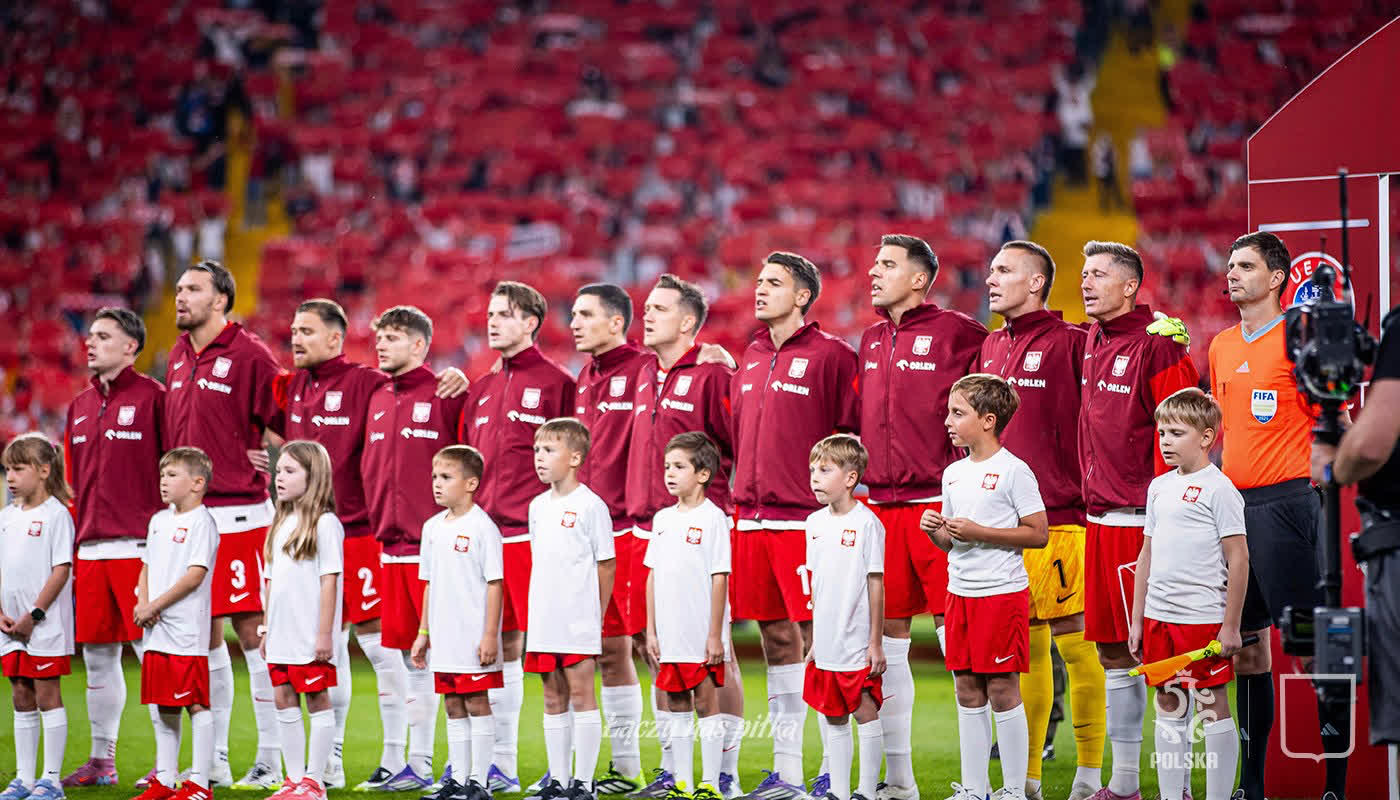
While MLS minutes are no longer ignored, geography still shapes access. European-based players are easier to watch live, easier to bring players into short international windows, and operate within competitive calendars that more closely mirror UEFA competition.
By transferring now, Slisz will be playing league matches in January, gaining competitive minutes during a period when MLS players remain in preseason. Had he stayed in Atlanta, his first meaningful matches would not arrive until late February. That difference amounts to roughly six additional weeks of competitive football ahead of the World Cup cycle. It does not guarantee selection, and Poland have yet to qualify, but it places Slisz in match rhythm earlier, during a window when preparation, fitness, and availability are being assessed.
What Atlanta Gets in Return
For Atlanta United, the transaction reflects both opportunity and limitation.
The reported fee - approximately $3 million - comes from one of the few types of assets the club is realistically able to move. At a time when Atlanta sits near the bottom of the table, underperforming contracts do not carry market value. Players who attract interest are, almost by definition, those who have performed consistently enough to be wanted elsewhere.
Slisz fits that category. His sale provides immediate financial return and removes his salary from the cap, creating flexibility at a moment when the roster requires significant change.
Atlanta does not have the luxury of waiting for ideal conditions. A rebuild narrows options. Moving a reliable contributor is not without consequence, but it reflects the reality of a club needing to reset its roster with limited tradable assets available.
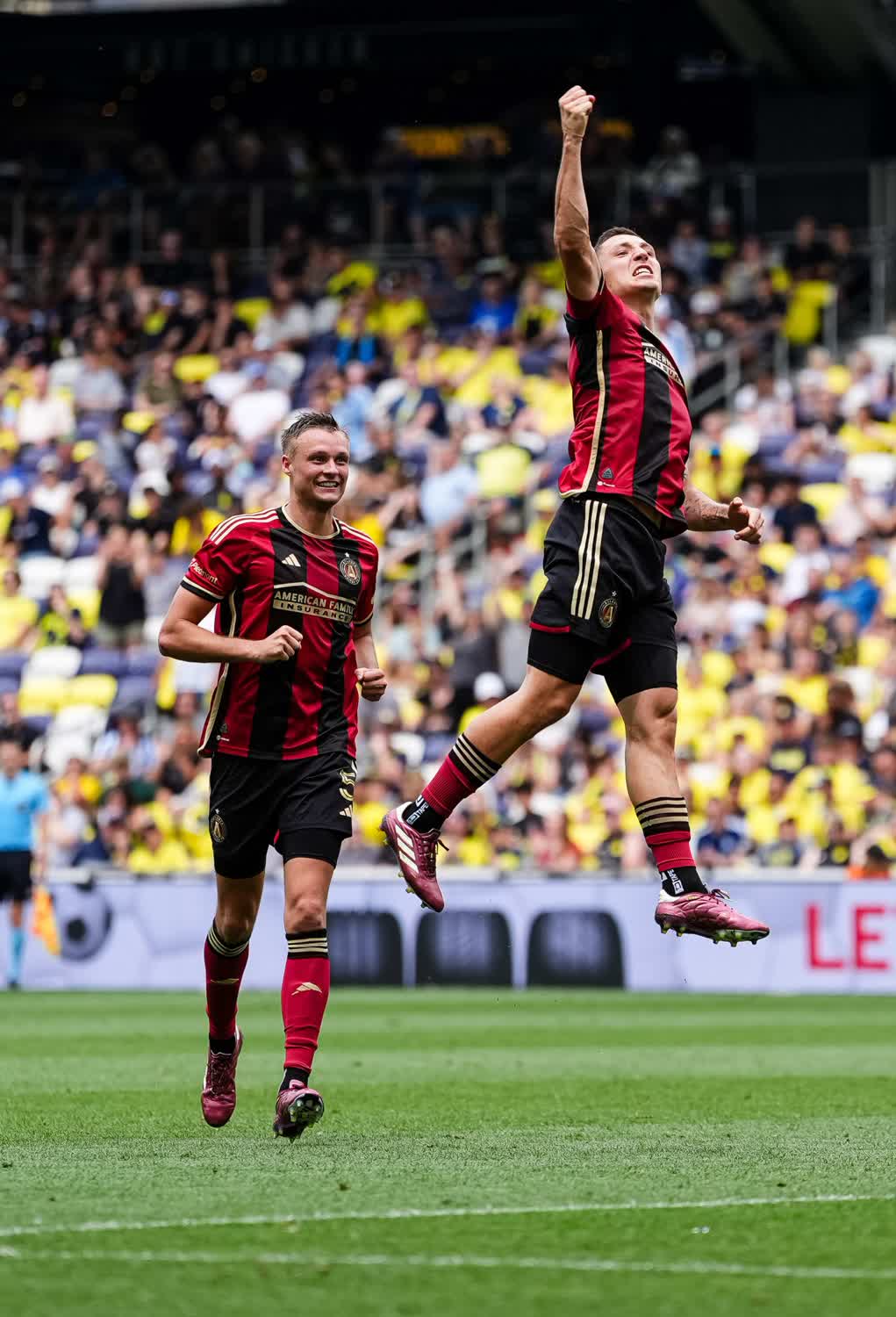
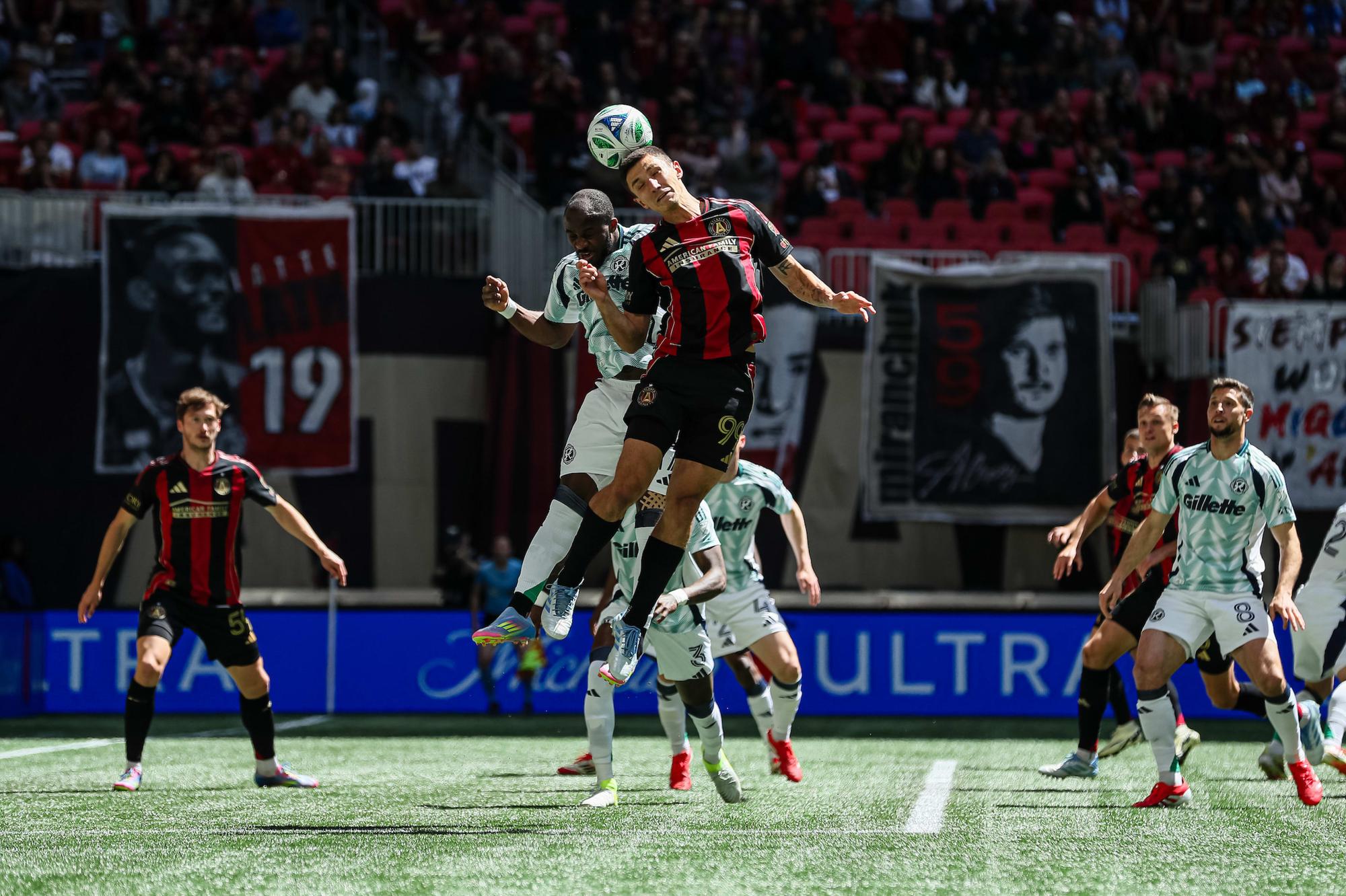
at GEODIS Park ( Photo by ATLUTD )
Bartosz Slisz's Stats with Atlanta United
- Matches: 216
- Starts: 198
- Minutes: 17,415
- Goals: 8
- Assists: 10
- Yellow Card: 47
- Red Cards: 1
ATLUTD VIPs ATLUTD · PLAYERS · TRANSFER
ATLUTD