 {# Overlay logo in the middle of the banner, no layout shift #}


Castro arrives in Caxias do Sul during Juventude’s rebuild
Manuel Castro transfers to Juventude


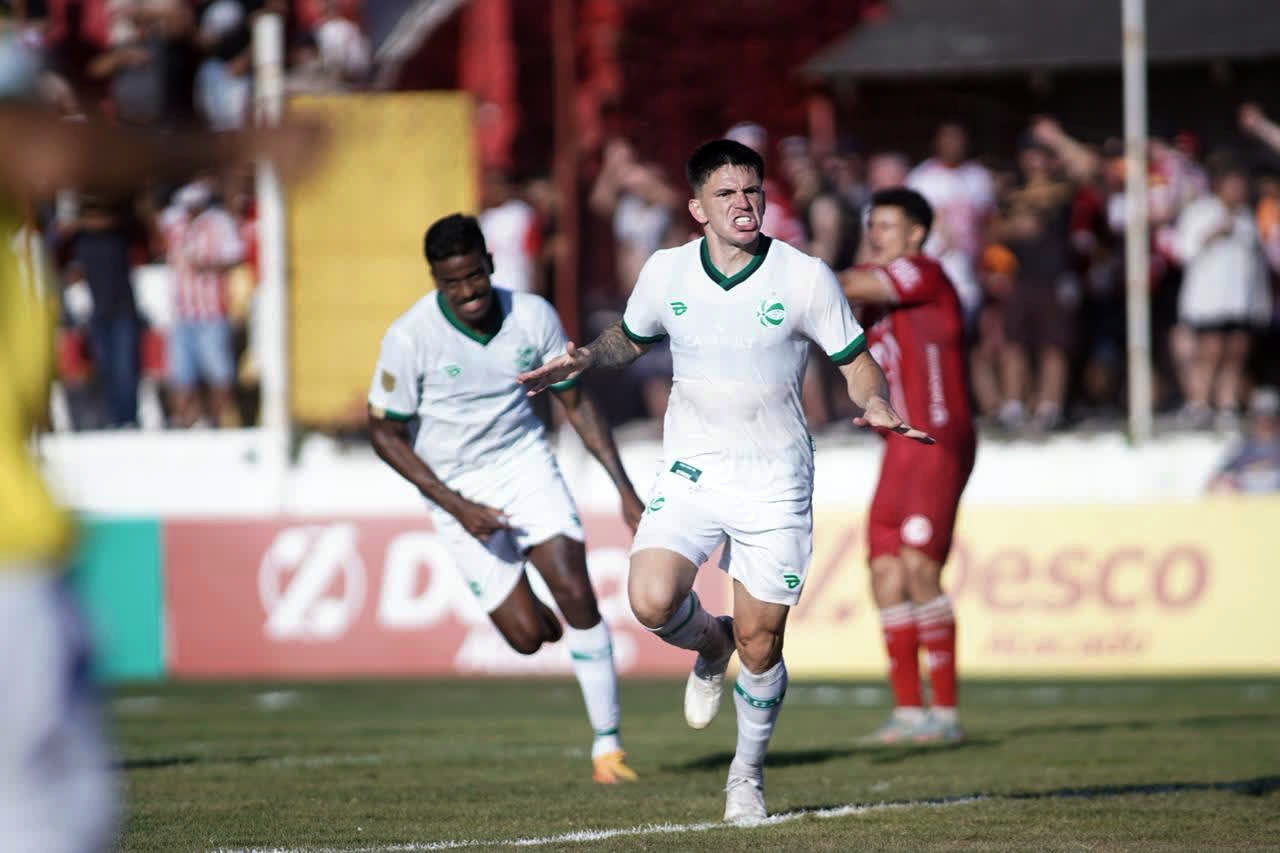
In the mountain air of Caxias do Sul, where the fog from the Serra Gaúcha slides across the Alfredo Jaconi and sometimes settles on the pitch itself, Esporte Clube Juventude is working through its rebuild after the 2025 relegation.
Manuel Castro’s arrival brings a 30-year-old winger with years in Uruguay, Argentina, Mexico, and MLS into one of the more distinctive environments in Brazilian football. He comes from Liverpool Montevideo on a deal through the end of 2026, joining a club trying to steady itself and assemble a group built for the length and weight of a Série B season.
Castro’s time in MLS came during Atlanta United’s disrupted 2020 calendar. He arrived on loan from Estudiantes and moved through several roles in a team that never settled. Most of his minutes came in short bursts across the right side, occasionally on the left or underneath the forwards. His performances reflected the circumstances around him: patchwork lineups, compressed schedules, and a club adjusting to changes on the touchline.
He left with 11 competitive appearances across MLS and the CONCACAF Champions League. The spell was brief, but it added another league’s demands to a career already shaped by adaptation.
The club and the league
The 2025 campaign for Juventude ended in relegation from Série A, leaving the club to rebuild for the the second division. Série B has long travel, uneven pitches, and a calendar that stretches across much of the year. Juventude’s response has been to gather a group with experience across multiple competitions, mixing veterans with players arriving from other South American leagues.
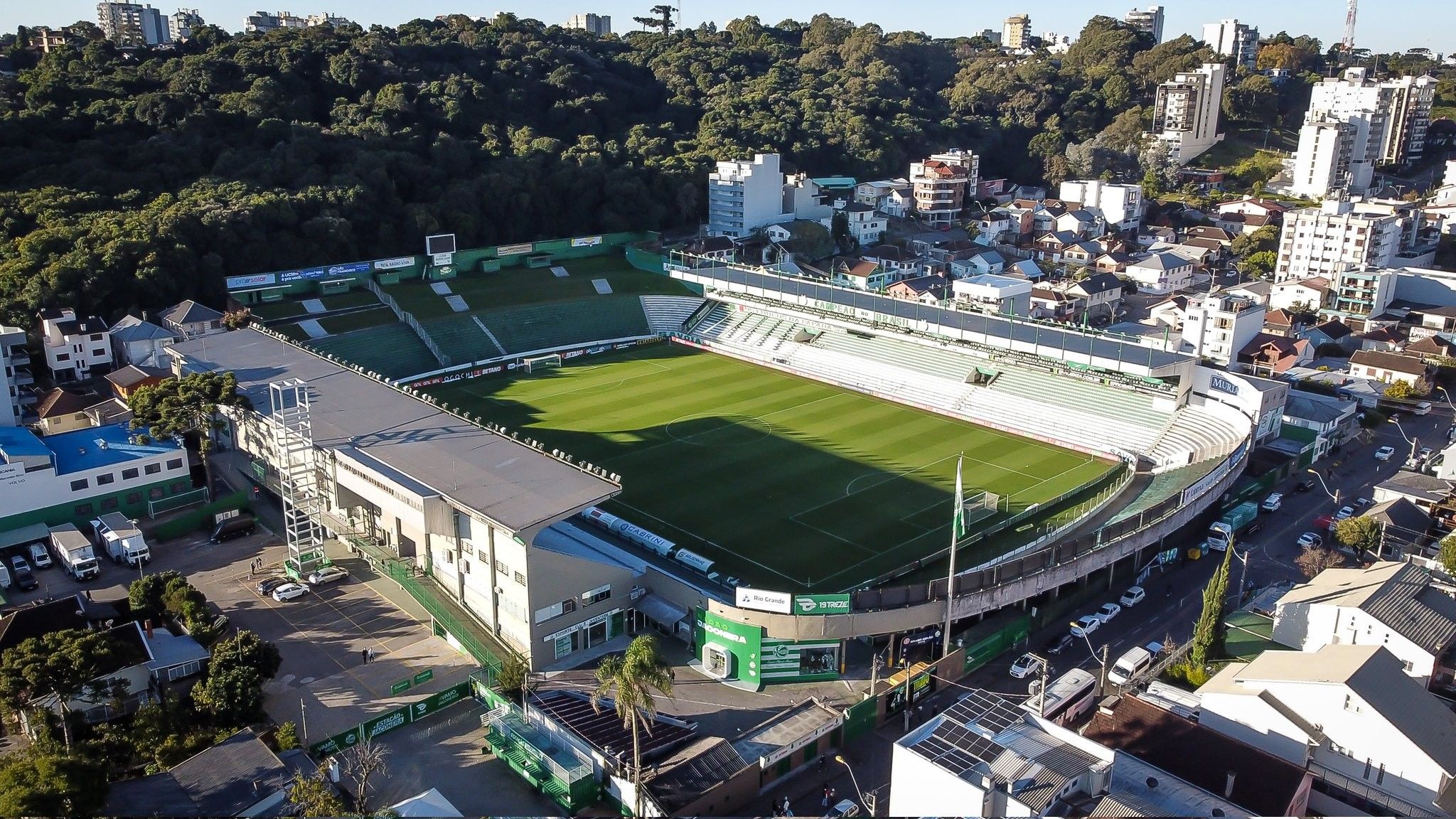
Juventude are based in Caxias do Sul, a mountain city in the Serra Gaúcha, and the work of the new season begins in that environment.
Juventude have moved between the first and second divisions several times in the past few years, rising from Série B to Série A and returning again after the 2025 season. The recent cycle has left the club balancing carryover veterans with new arrivals as they try to create a more stable base for the national calendar.
The early part of the year runs through the Campeonato Gaúcho, the state competition that sets the tone before the national schedule begins. Matches with Caxias and Ypiranga shape those first weeks. The staff is using that stretch to test combinations, rebuild confidence, and set an identity before the Série B grind arrives.
The City
Caxias do Sul sits in the Serra Gaúcha, a mountain region shaped by colder air, plateaus, and steep residential slopes. The city holds nearly half a million people, but the density feels closer to a contained mountain center than a sprawling metro. Streets narrow as they climb, and neighborhoods sit close to the commercial core instead of pushing outward for distance.
The urban footprint stacks rather than spreads. Factories, apartment blocks, and older family-run restaurants sit within minutes of one another, and the stadium, downtown, and surrounding districts fit into a compact area shaped by the terrain. The Italian influence from the city’s early immigration remains visible in the food, the vineyards on the outskirts, and the pace of daily life.
Evening matches at the Alfredo Jaconi sometimes unfold inside a layer of fog that drifts in from the Serra Gaúcha. The stadium’s shape, the elevation, and the night air combine in a way that puts the cloud on the field rather than above it. On the worst nights, the lines disappear, the far end fades out, and referees pause the match until the fog lifts.
His first three matches for Juventude
His first weeks with Juventude came during the opening rounds of the Campeonato Gaúcho, a stretch that often reveals more about a new signing than training sessions can.
Castro’s debut arrived at the Alfredo Jaconi against Ypiranga. He came on in the second half and immediately pushed the game forward, moving into wide channels and testing the back line. In the final minutes he nearly scored with a bike attempt that forced a clearance off the line. The game finished level.
The second match, away to Novo Hamburgo, gave him more time on the ball. He worked along the right, dropped into midfield pockets, and appeared in the box on second phases. His involvement steadied the attack, the match again ended in a draw.
The third match produced his first goal for the club. Juventude went down to nine men against Inter Santa Maria and spent long stretches defending inside their own half. Castro was on the pitch when a clearance turned into open space. He carried the ball forward and chipped the goalkeeper from distance, sealing a 1–0 win on a night shaped by resistance and transition.
ATLUTD VIPs ATLUTD · PLAYER · TRANSFER