 {# Overlay logo in the middle of the banner, no layout shift #}


Another Day, Another Guest, Another Story
The Daily Discipline: Jon Nelson and the Long View of Soccer Down Here


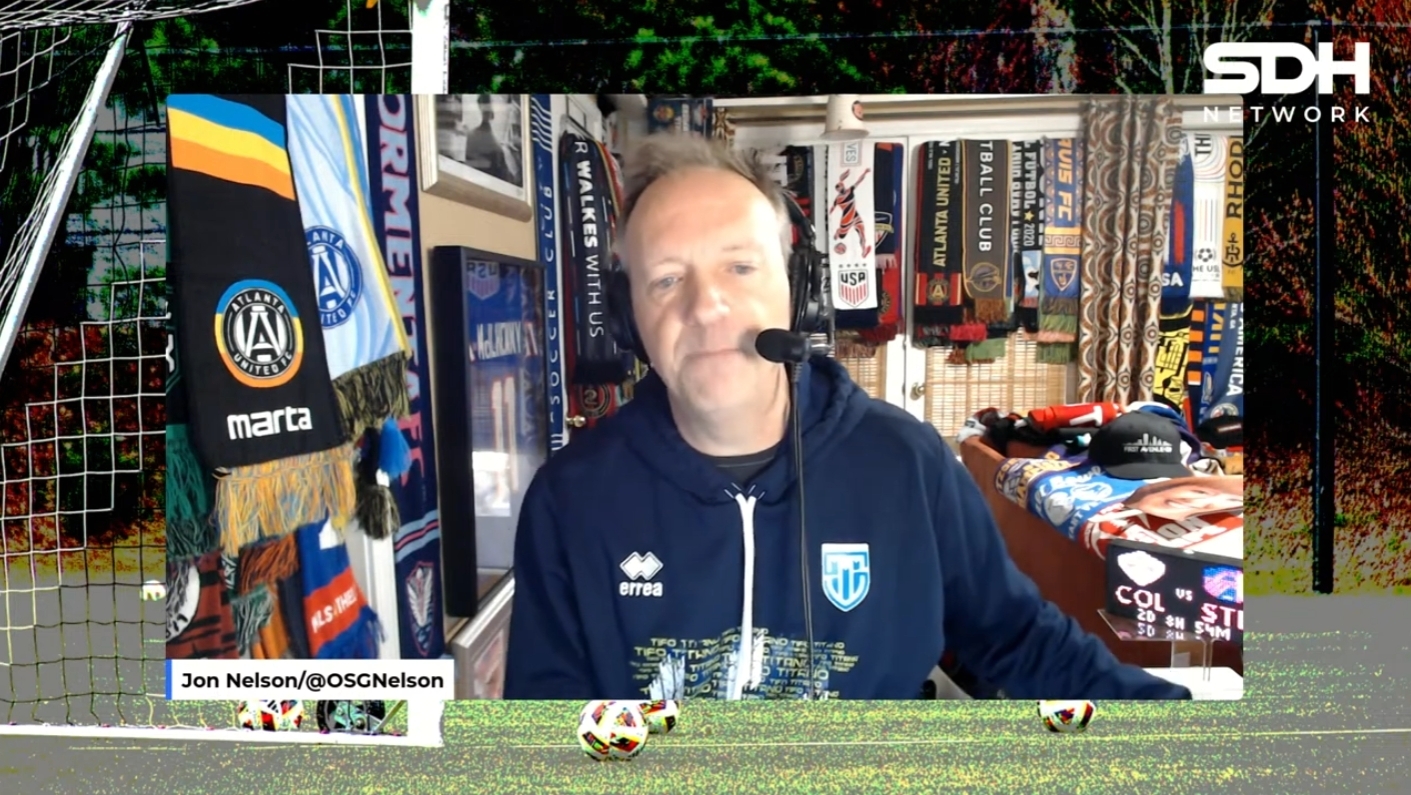
The Reading Habit
Before Soccer Down Here became part of the daily routine for Atlanta’s soccer audience - before it expanded into a network with multiple voices - Jon Nelson’s relationship with storytelling was already set.
It began with reading.
Jon is, by his own admission, the kind of reader who accumulates books rather than moving quickly from one to the next. He treats reading less as diversion than as habit. He jokes that he and his wife, Patty, are approaching the point where their collection may require its own floor plan - a dedicated reading room to house the slow, steady accumulation of text. Lately, he admits, the pile has been winning.
Nelson’s interest has always leaned toward real stories, lived experience, and the long view. There is an idea he has carried with him for most of his career, one that reflects how he understands the job - not simply reporting what happened, but deciding what to pursue, what to question, and what not to ignore.
In a 2005 speech to the National Conference for Media Reform, journalist Bill Moyers articulated that idea clearly: I believe that journalism is a grand adventure... it’s a way of being in the world that allows you to be a truth-seeker, a storyteller, and a troublemaker. Bill Moyers - National Conference for Media Reform (2005) 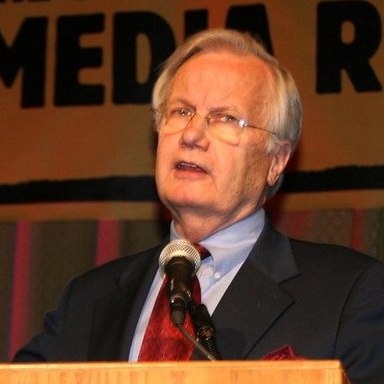
The quote stuck with Jon. Over time - working inside deadlines, constraints, and communities - he found that the categories rarely stayed separate, and added to it. Journalists are truth-seekers, storytellers, and troublemakers - sometimes all three. Jon Nelson Q&A with ATLUTD VIPs 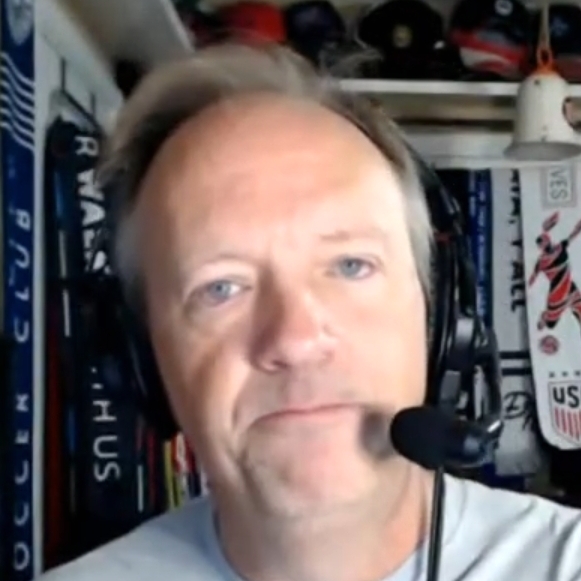
Early on, that approach lived inside the constraints of broadcast television. Good sports coverage meant finding the right soundbite and lobbying for resources - time, people, airspace - to let a story breathe. But broadcast windows are narrow. The stories remained, but the room to tell them fully did not always follow.
When broadcast television began to give him less room for that kind of work, he didn’t believe the need went away. He just moved the stories to a place where they could breathe. When the time I spent telling stories in broadcast television became less and less, I turned to writing myself. I've written six books and I have a few in the queue. Do you know anyone who can be me for a bit and catch me up...? Jon Nelson - Q&A with ATLUTD VIPs
Writing didn’t replace broadcasting. It gave the stories more room to grow. Over time, that impulse produced six books grounded in place, community, and continuity across the American South. Writing offered what the sixty-second segment could not. What followed was the shift to digital media, which expanded where his work could live. Audio, text, video, and live conversation became parallel paths rather than geared towards a single broadcast. Now with SDH, we have the chance to tell those stories we see and not feel constrained. It's a blessing... Jon Nelson - Q&A with ATLUTD VIPs
Nelson has always gravitated toward journalists who treat curiosity as a discipline rather than the destination. Long before soccer entered the picture, he was drawn to the idea that significance is found through attention, not location. That perspective shaped how he approached journalism itself. Value came from noticing details others passed over, and from staying with them long enough to understand why they mattered.
By the time Soccer Down Here existed, this habit was already second nature. Built through reading, listening, and learning which stories stayed with him.
The Work Before the Spotlight
Jon’s resumé includes national events - Super Bowls, World Series, Olympic coverage - but a large share of his work stayed closer to home. Through Georgia Public Broadcasting, he became a familiar presence in high school sports across the state, including Football Fridays in Georgia and GHSA championship coverage.
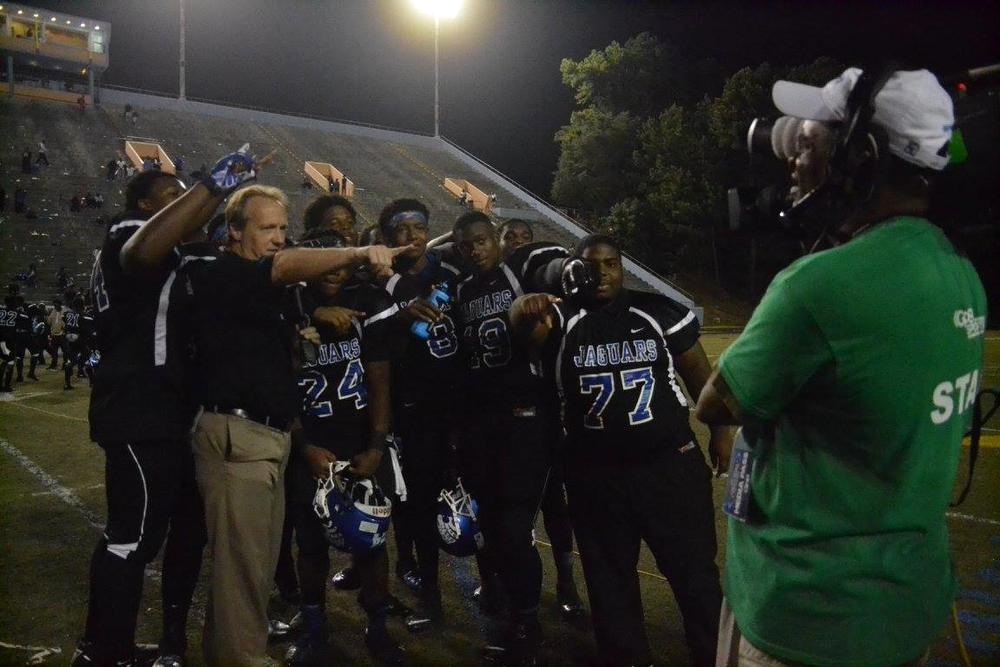
The scope never settled in one place. One week brought a national event. The next returned him to local coverage. In his own telling, the “big-ticket” stages were always balanced by the work closer to home - the kind that may require you to return, week after week, until the story finally showed its shape.
Those nights weren’t about visiting stars or national narratives. They were about returning to the same towns, talking to the same coaches, and following programs that unfolded over years rather than minutes.
Some weeks meant preparing for a nationally televised broadcast with a rigid script. Others meant chasing a story through an un-air-conditioned Salem High School workout room in the middle of the Georgia summer, talking to high school athletes about Clint Mathis. He remembers flying to Foxborough to cover the Atlanta Beat title match, where international stars coexisted with local players whose names mattered just as much in their communities.
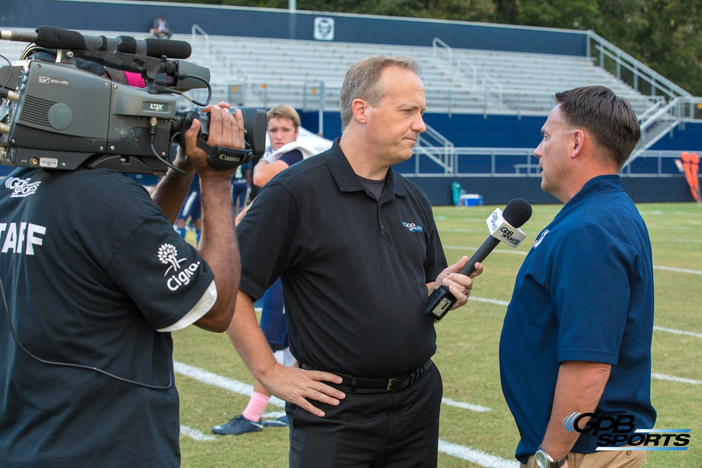
For Jon, that meant telling stories in places no one else did - soccer was one area, High School was another. At the time, soccer wasn’t fashionable coverage in the South. And that was part of the appeal.
Broadcast directives to “go local” pushed Nelson toward places others overlooked: the Ruckus, the Silverbacks, the Atlanta Classics. He scheduled live shots before matches, interviewed players an hour before kickoff on the evening news, and dug into investigations around the sport when few others were paying attention.
Nelson describes that kind of reporting as habit, formed through repetition and practiced daily. When you engage in simple conversation, you never know where it will take you. Jon Nelson - Q&A with ATLUTD VIPs
“Local, local, local” became an instruction and an opportunity. For him, that meant going where other sportscasts didn’t.
Nelson often points to Steve Hartman as a reference point for this kind of work. One of Hartman’s simplest ideas was also his most revealing: find a town, open a phone book, point to a random name, and tell that person’s story. Meaning that the person sitting in the corner of any random room has a story to tell. Jon recommends taking a peek, and one such videos can be seen here
That idea wasn’t theoretical for Nelson. It explained why he ended up in places like Ocilla and Blue Ridge, or back in that same Salem High School workout room. The work didn’t require distance. It required showing up with patience. Listening long enough for something ordinary to reveal its weight.
Jason Longshore describes Nelson as someone drawn to stories others overlook - the less obvious, the better - the kind that only reveal themselves if someone is willing to stay with them. An instinct that long predates SDH.
By the time soccer demanded daily attention in Atlanta, Nelson had already spent decades doing the kind of unglamorous, repetitive work that doesn’t show up in highlight reels but builds credibility. There are stories everywhere. You just have to take the effort to look. Jon Nelson Q&A with ATLUTD VIPs
When Atlanta Turned Soccer Into a Daily Story
For years, soccer existed on the margins of the city’s sports conversation - visible during international tournaments, then receding again. That changed quickly once Atlanta United became real. Soccer took the city by storm.
Nelson points to two moments when the shift felt unmistakable: the initial announcement of MLS expansion to Atlanta, and the kit reveal at the Tabernacle. With the first, all the talk becomes real. With the second, the roster gathering becomes real. That first-ever match gets closer and closer.
And good luck finding space in the Tabernacle that night. Jon Nelson - Q&A with ATLUTD VIPs
One moment made the idea unavoidable. The other made it tangible. The speculation, hope, and talk suddenly became real.
It changed the demands on coverage. Soccer was no longer occasional. It needed continuity. It needed voices willing to stay with it every morning - even when there was no match to react to. It was lightning in a bottle.
At the Bobby Dodd opener, the bottle opened. Soccer exploded onto the scene.

Jason Longshore and Jarrett Smith shared an idea, built out of conversations they were having around the game and the region. What started as a podcast experiment - The Peachtree Post - slowly pushed toward something more demanding: daily coverage, live conversations, and a wider sense of responsibility to the sport. We didn’t know what the appetite would be for covering the entire breadth of the game early on, but over the years we’ve found that it all works together. Jason Longshore - Q&A with ATLUTD VIPs 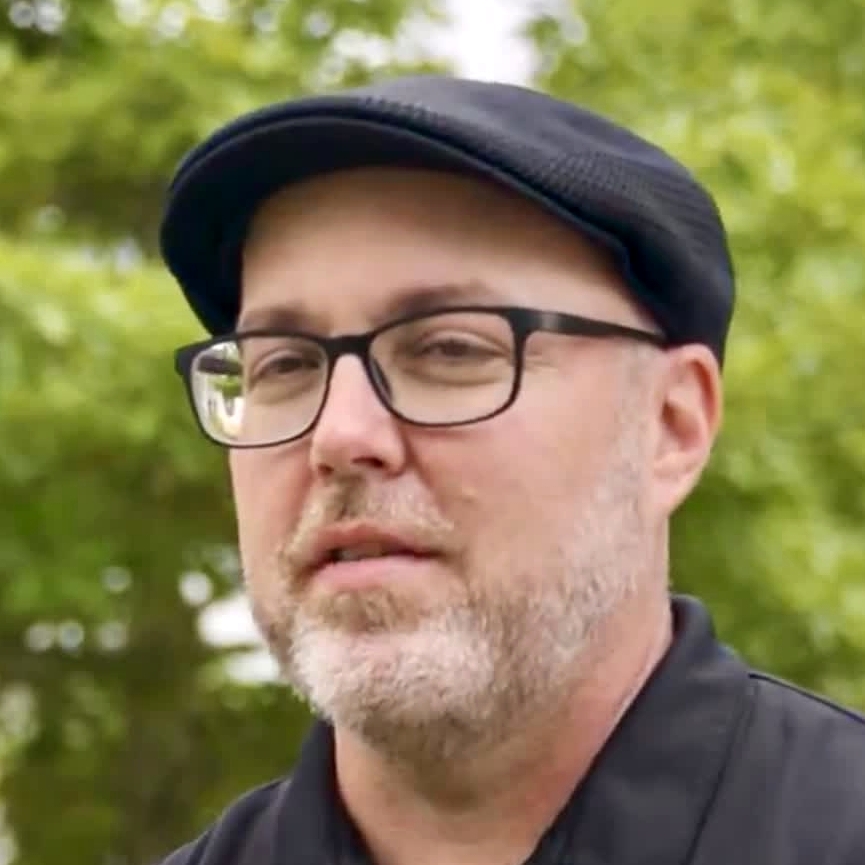
Longshore and Nelson were doing Silverbacks broadcasts when the idea started to harden. Atlanta was about to get MLS, and the region didn’t have daily soccer media built for what was coming. Jarrett Smith was working alongside Longshore at Soccer in the Streets. Nick Aliffi was a listener at first - calling in, filling gaps, expanding the stories across the pond. The show grew little by little, and gathering the people it needed.
Nelson brought something different to the group: a sense of calmness and decades of broadcast experience, a journalistic backbone, and the ability to turn a good idea into something repeatable. Jon was so helpful with his experience in figuring out logistics, helping to track down guests, and having a talk show that had a journalistic background to it. It was important in getting us to where we are now, covering the game in our way, with integrity, and with respect for the individuals involved. Jason Longshore - Q&A with ATLUTD VIPs
Soccer Down Here launched in January 2017 as a weekday live show and podcast. Early descriptions framed it as ambitious but uncertain: daily soccer coverage in a region where the audience was growing but unproven.
What followed arrived faster than anyone expected.
When the Show Became a System
The show began as a single hour. Within months, it became two - simply because content kept getting left on the table. Some days threatened to stretch longer. The “three-hour show” became an inside joke among the staff.
By its second year, Soccer Down Here was no longer operating like a short-term project. In 2018, when Atlanta United announced the broadcast team for ATL UTD 2, the club’s release included a specific note about Jon Nelson’s work over the previous year: Nelson has spent the past year developing the 'Soccer Down Here' radio program and network at OSG Sports alongside Longshore and Jarrett Smith. Atlanta United FC - ATLUTD 2 Announces the 2018 Broadcast Team
The release also named Nelson as the play-by-play host for ATL UTD 2, with Longshore serving as color analyst. It framed Nelson’s role beyond on-air hosting - work centered on development, organization, and continuity. Soccer Down Here was being described not just as a daily show, but as a project being deliberately built and structured.
As careers shifted and life intervened - particularly during the pandemic - Nelson increasingly became the constant presence. The show didn’t change hands so much as it kept moving, and Jon was the one still there each morning to make sure it did.
Jason was forced to step back after getting COVID. Nelson kept SDH moving. The show didn’t change tone. It didn’t reinvent itself. It absorbed the disruption and kept going.
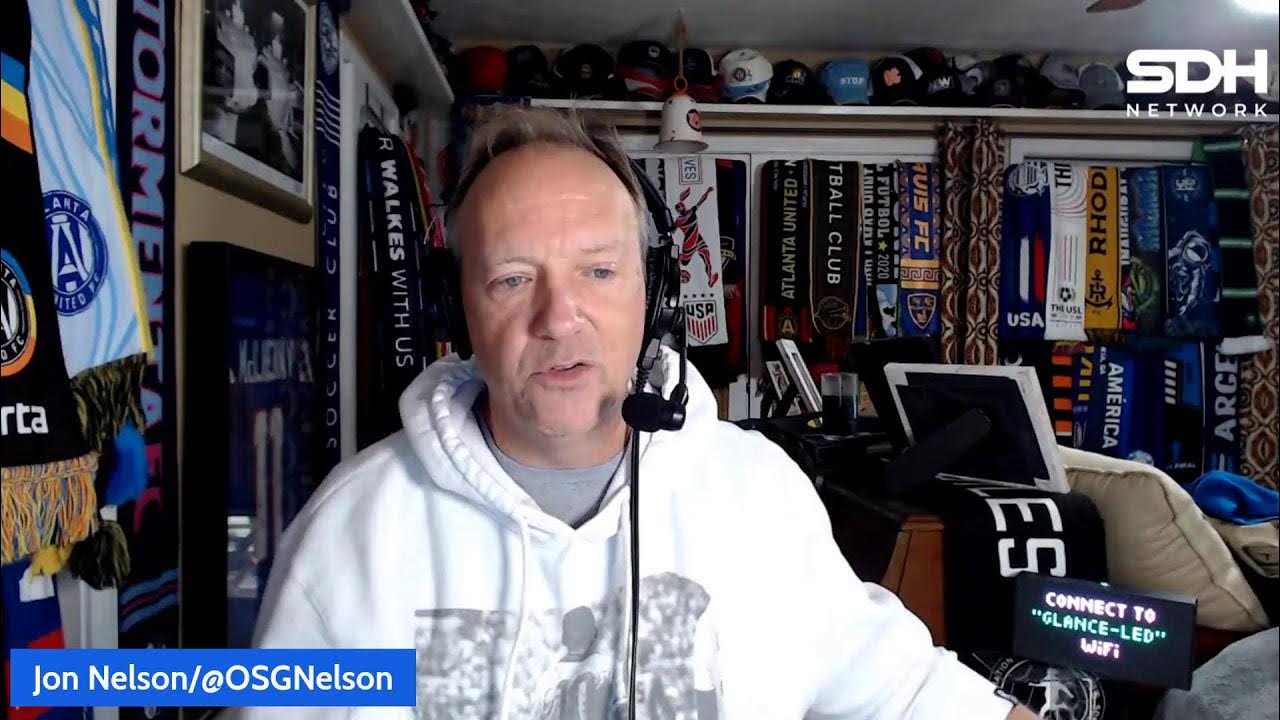
That resilience wasn’t accidental. From the start, Nelson was protective of tone and intent. Conversation had to be with people, not at them. The show asked who, what, where, why, and how. The show always wanted to inform, educate, and have a back-and-forth dialog.
The early mission was simple: a show about soccer in the South. Over time, that description stopped fitting. As the subjects widened and the guests widened with them, SDH refocused - a network about soccer that just happens to be based in the South.
Longshore says Nelson’s influence early wasn’t about being louder. It was about being durable. He brought the logistics brain of a veteran broadcaster - guest tracking, pacing, a journalistic spine - and it helped SDH last rather than simply appear. Jarrett Smith points to something less technical, but just as essential, saying that Jon brought a casual nature to his broadcast experience.
Smith remembers that same steadiness in live time: Nelson can keep a show moving when the day is full, and can stall without panic when live radio needs a breath - the kind of invisible skill that only reads as effortless when someone has done it for decades. It’s so easy to take for granted how he can just keep a show moving - or stall if needed for a call to come in. Jarrett Smith - Q&A with ATLUTD VIPs 
Over time, that structure made additional growth possible. SDH expanded beyond a single daily show to include additional programs, recurring segments, written content, video, and live broadcasts. What began as one program gradually took on the shape of a broader operation, now commonly referred to as the SDH Network. Coverage was no longer contained within one time slot or format. It could be found across platforms while retaining the same overall tone and point of view.
Behind the scenes, the system grew quietly. Planning meetings after shows. Shared documents. Scheduling. Audio routing. Trust built over years. These were the parts listeners rarely heard, but felt in the show’s consistency.
Nelson’s role evolved over time. Today, SDH identifies him as Chief Operating Officer - responsible for the coordination and systems that keep daily content moving. These are the parts listeners don’t hear, but they determine whether a project endures.
Nelson describes his work with typical dry, self-deprecating tone, adding: What has surprised me is that there are times that I actually do get the wiring right. Jon Nelson - Q&A with ATLUTD VIPs
A Rising Tide
As SDH expanded, the questions inevitably surfaced: why cover everything?
Why lower divisions? Why high school soccer? Why Tormenta?
The answer was philosophical. A rising tide lifts all boats. Jon Nelson Q&A with ATLUTD VIPs
That belief shows up in practice. SDH avoids tabloid-style coverage. It spends time where others skim. It treats youth academies, college programs, lower-division clubs, and MLS rosters as parts of the same ecosystem. It treats the smaller stories with the same seriousness as the largest ones, because they’re part of the same landscape. Jon cares about those stories. He’s a sicko just like us when it comes to the lower divisions Jarrett Smith - Q&A with ATLUTD VIPs
SDH makes conscious choices about what it won’t amplify. In what Nelson describes as sixteen hours of weekly programming, it would be easy to fill time with the tabloid version of soccer news. Instead, they avoid sources that operate in that lane. The result is fewer quick hits - and a tone that doesn’t wear people out.
Nelson describes establishing “tentpoles” - not as rigid rules, but as an editorial framework that keeps the show from chasing noise. Some spaces exist to catch listeners up. Some slow things down and walk through the complexity. Others exist simply to have fun, without dropping the standards that hold everything together.
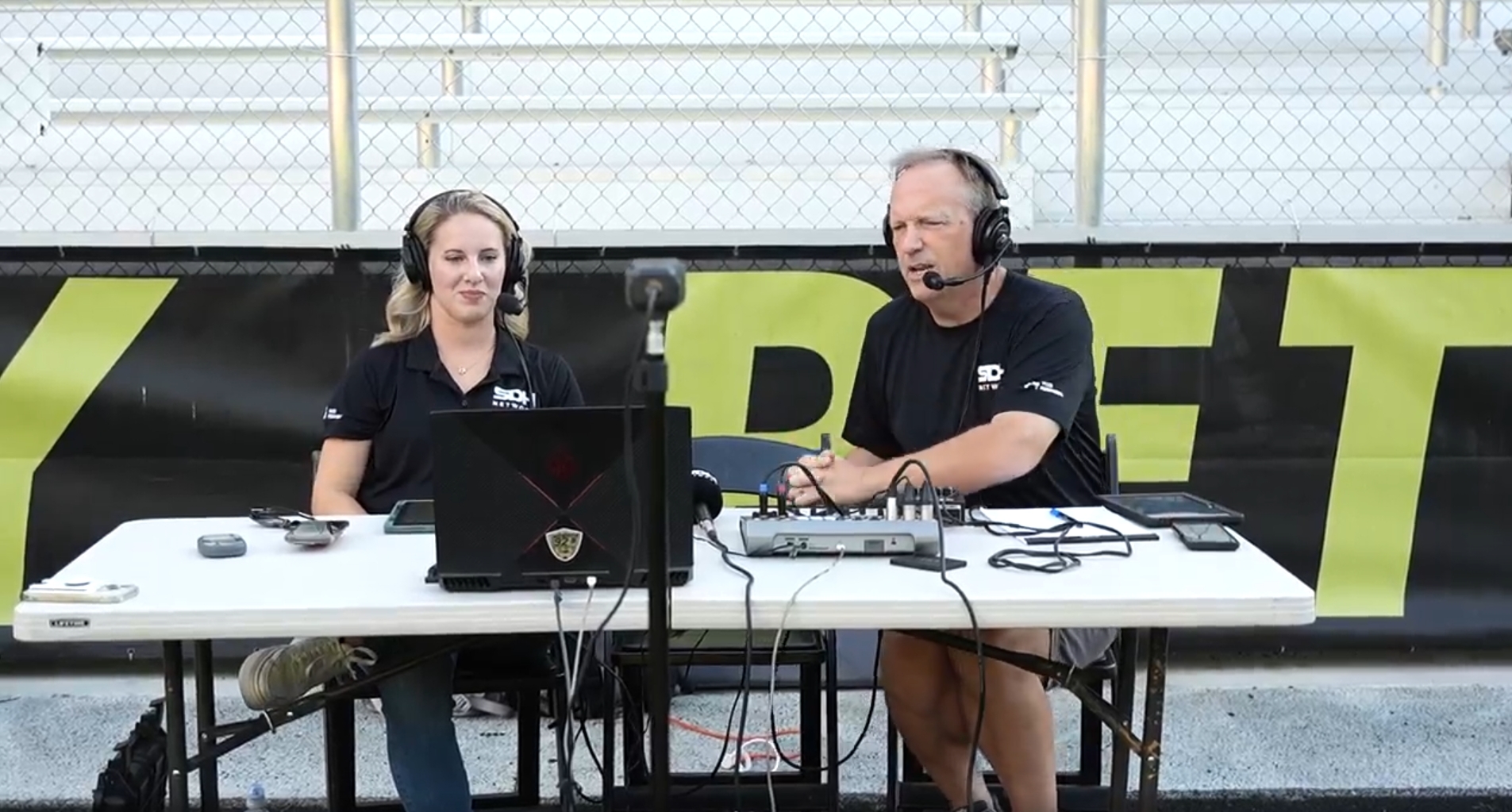
Nelson talks about South Georgia Tormenta as a parallel story - a club and a network growing alongside one another.
When Tormenta launched, he saw in the van Tassells, a patient, long-range approach to building soccer in an atypical market. The work focused on foundations - professional standards, academy pathways, and a structure designed to last.
That approach made the club part of its surroundings. Youth players entered the game through local pathways. Families returned week after week. Professional soccer became something people could plan around. Growth followed through consistency.
Nelson describes Tormenta’s impact in practical terms. Down I-16, the club added more than matches to a calendar. Ask people in that part of the state what Tormenta has meant, he says, and the answer comes back quickly: it brought the sport into daily life - and kept it there.
Jarrett Smith describes Nelson’s pull toward those stories with affection. He points to the smaller, regional narratives - rivalry trophies that matter deeply to the people who hold them, programs rebuilding after disaster, Open Cup runs that linger in a town long after the final whistle.
Those kind of stories aren’t treated as side notes. They’re followed closely, returned to, and given time. We want to bring everyone along to experience the growth of the sport- large city or small town, young or old, novice or expert Jon Nelson - Q&A with ATLUTD VIPs
The Ongoing Project
Jon Nelson doesn’t frame the future in terms of milestones.
When asked what still excites him, he answers It's Choice D) All of the above.
What I mean by that is 'what's new,' 'what's news,' 'what are we learning about today...?' 'Who do we visit with today?' and 'How does SDH grow' Jon Nelson - Q&A with ATLUTD VIPs
Most days begin the same way. A rundown. A plan. A sense of where the conversation might go.
Some days the rundown survives. Some days it doesn’t. Someone new visits the show. Someone who’s been there since the beginning returns. The conversation adjusts. The channel stays open. The conversation breathes.
Maddie and Sofia bring different instincts and priorities. Scott Flood pulls him into the business side of the sport - an area Nelson admits he never treated as a strength. The job now includes technical systems and rhythms he didn’t grow up with, and he approaches them the same way he always has: by listening first.
Until Soccer Down Here, Nelson had never called soccer as play-by-play or color. That learning happened in public, supported by the people around him - Longshore, Smith, Nick, Maddie - through repetition and feedback. The tone on air remains relaxed. The work behind it continues quietly.
The reading habit doesn’t disappear when the microphones turn on. It just changes shape. More inputs. More context. The same motion. The thought is familiar: gather context, listen closely, decide what matters, and return tomorrow.
Another day.
Another guest.
Another story.
Appendix
The Soccer Down Here Network
By the time Soccer Down Here settled into its current shape, it was no longer just a show. It was a system - one built around people who knew how to carry different parts of the work.
At its core, Soccer Down Here isn’t a collection of separate programs. It’s the same ongoing conversation, viewed from different angles.
Morning Espresso
A shorter, editorial start to the day. Jason Longshore sets the table with what you may have missed and what matters next - context without clutter.
Soccer Down Here (SDH AM)
The daily conversation. This is where stories stretch out: local and global, expected and unexpected. Guests, highlights, interviews, and voices from across the game, brought together without being rushed toward resolution.
Soccer Over There
A weekly release valve. European matches, broader trends, and the kind of informed fun that only works when the foundation underneath it is solid.
Different formats but the same intent: stay curious, stay grounded, and keep the conversation moving.
The People in the Room
This is the part Jon returns to most often: the people. The willingness to listen. The ability to roll with change. The shared belief that the work matters because it serves something larger than any one voice.
Everything started with Jason Longshore and Jarrett Smith - and a decision to turn what they were already doing into something daily. As Jason puts it, he and Jarrett were finally in a place where they had the time to commit. What Jon brought was the part that doesn’t show up in a logo: structure, guests, and a spine. Both myself and Jarrett Smith were in a place professionally where we had the time to commit to taking our original Peachtree Post podcast to a daily format. Jon was so helpful with his experience in figuring out logistics, helping to track down guests, having a talk show that had a journalistic background to it. Jason Longshore - Q&A with ATLUTD VIPs
Jon talks about Jason the way you talk about someone you rely on, not someone you’re promoting. Jason is one of the most incredibly organized folks I know... How he carves out an extra three or four hours in a 24-hour day should be studied and he needs to write a book on it. Jon Nelson - Q&A with ATLUTD VIPs
If Jason is the pace-setter, Jarrett is one of the reasons SDH doesn’t feel like it’s only reacting. Jon says it directly: Jarrett (and Nick) carry the kind of memory that keeps a show from losing context. Jason, Jarrett, and Nick have a tremendous recall of the history of the game and how it loops through to today's events and storylines. Jon Nelson - Q&A with ATLUTD VIPs
Jarrett describes Jon’s role in a way that’s more revealing than any title. Not louder. Not flashier. Just steady - the kind of host who can keep the wheels turning when live radio needs a beat. Jon brought not just a broadcast experience but a casual nature to it... Makes it so easy to take for granted how he can just keep a show moving or stall if needed for a call to come in. Jarrett Smith - Q&A with ATLUTD VIPs
And when life forced the show to re-balance - schedules shifting, responsibilities multiplying - the same theme shows up again. Jason points to 2022 as the clearest proof: he stepped back, and Jon kept it going. When I had to step back from the morning show when I got Covid in 2022, Jon kept it going and has truly made it his own over the years since. Jason Longshore - Q&A with ATLUTD VIPs
Jon is also explicit about what makes the room work now: different kinds of expertise showing up without ego. He credits Maddie and Sofia for “a fresh perspective,” and he’s blunt about what he’s still learning from Scott. Maddie and our Chief Creative Officer, Sofia Cupertino, bring a fresh perspective with their knowledge, eyes, and ears as well. I learn from our Chief Development Officer, Scott Flood, about the business side of things- something I have been traditionally poor at my entire career. Jon Nelson - Q&A with ATLUTD VIPs
The Written Word
Nelson has written several books focused on football in Georgia and the Southeast.
More information and full publication details are available on his Amazon Author Page
ATLUTD VIPs ATLUTD · MEDIA
ATLUTD Jon Nelson